


andrew.j.j.macintosh [at] gmail.com
Andrew MacIntosh
Associate Professor
Wildlife Research Center Inuyama Campus
Research
The work being done in my lab broadly interfaces behavioral ecology and parasitism, with the ultimate aim of better understanding the evolutionary relationships between animal hosts and the parasites that depend on them. I am a behavioral ecologist by training and at heart, but like any modern scientific undertaking, our work covers many fields, including behavioral ecology and ethology, cognition, parasitology, ecological immunology and infectious disease ecology and epidemiology. To accomplish our research aims, we integrate field and lab work with computational methods that delve into network analyses, fractals and chaos.
Research Keywords
- Behavioral ecology
- Parasite/disease ecology and ecological immunology
- Parasite community structure and coinfection
- Fitness costs and health impacts of parasitism in natural populations
- Wildlife monitoring, health and conservation
- one health; ecohealth; coupled human and natural systems
- Biocomplexity - fractal analysis as an indicator of complexity loss or increased stereotypy in stress and disease
Background
- (2000) B. Sc. in Anthropology, Department of Anthropology, University of Calgary
- (2002) M. A. in Anthropology, Concentration: Primatology, Department of Anthropology, University of Calgary
- (2010) D. Sc. in Primatology, Graduate School of Sciences, Division of Biology, Primate Research Institute, Kyoto University
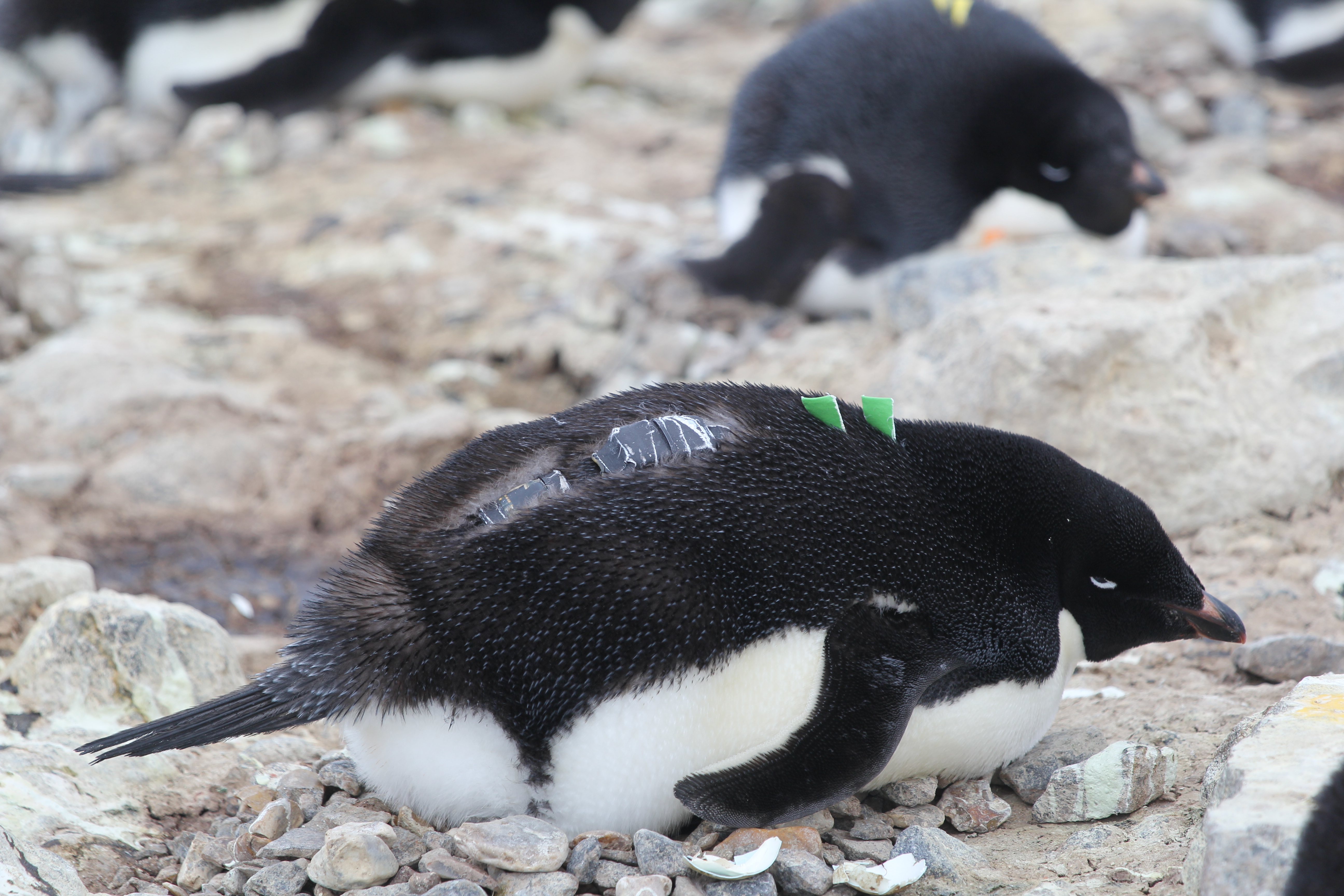
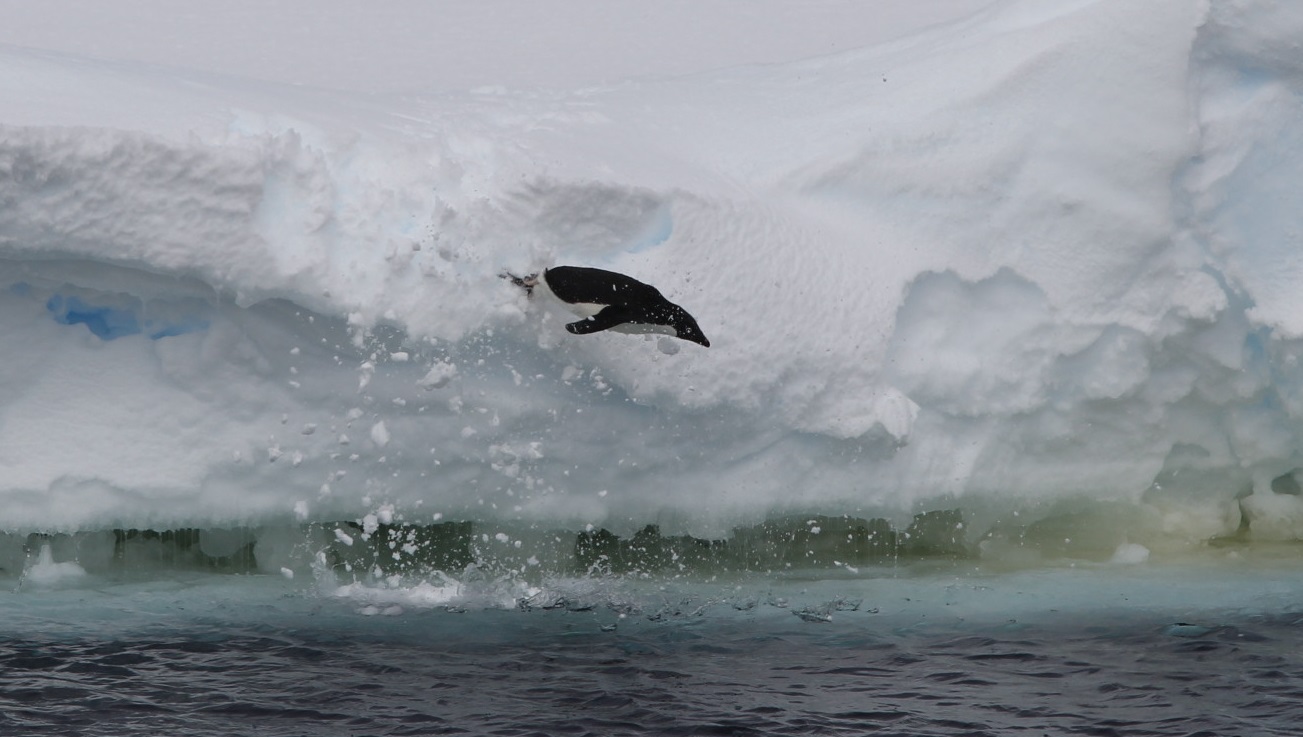
After receiving the MA degree from the University of Calgary, I moved to Japan and worked as an English teacher before returning to academia in 2007 to conduct doctoral studies at the Kyoto University Primate Research Institute. My dissertation, which was supervised by Dr. Michael Huffman, was entitled "Gastrointestinal helminth parasitism among Japanese macaques: patterns, processes and host responses". After completing my degree, I remained at the PRI as a post-doctoral research associate with CICASP but worked largely with Dr. Yan Ropert-Coudert at the CNRS-Strasbourg University supported by a JSPS researcher exchange grant to study complexity in seabird foraging behavior in relation to habitat characteristics and global change. I was awarded an assistant professorship with CICASP in April 2012, and was promoted to Associate Professor in April 2014 with affiliations to Kyoto University's Wildlife Research Center and its Leading Graduate Program in Primatology and Wildlife Science. In April 2017, I became tenured Associate Professor at PRI, with CICASP and the Department of Ecology and Social Behavior, through Kyot University's Institute for Liberal Arts and Sciences. To date, I have studied primates in one capacity or another in Central America, Africa, and Asia, but my current focus is on Asian primates and their gastrointestinal parasites. My research is and has been supported by grants-in-aid from the Japan Society for the Promotion of Science, as well as Kyoto University. Aside from primates, I also study seabird behaviour, and in particular patterns of behavioural complexity among various penguin species in relation to various ecological challenges and global change biology.
Selected Publications
Google Scholar Page
Selected Publication List [updated June 2023]
- MacIntosh AJJ, Shimada M (In Pressd for 2024 Print) Behavioral Immunity in Primates. In: Japanese Encyclopedia of Primatology, Maruzen (in Japanese)
- Sarabian C, Wilkinson A, Sigaud M, Kano F, Tobajas J, Darmaillacq A-S, Kalema-Zikusoka G, Plotnik J, MacIntosh A (2023) Disgust in animals and the application of disease avoidance to wildlife management and conservation. J Anim Ecol DOI:10.1111/1365-2656.13903
- Costa R, Romano V, Pereira AS, Hart JDA, MacIntosh A, Hayashi M (2022) Mountain gorillas benefit from social distancing too: Close proximity from tourists affects gorillas' sociality. Conserv Sci Pract DOI: https://doi.org/10.1111/csp2.12859
- Xu Z, MacIntosh AJJ, Castellano-Navarro A, Macanás-Martínez E, Suzumura T, Duboscq J (2022) Linking parasitism to network centrality and the impact of sampling bias in its interpretation. PeerJ 10:e14305 DOI: 10.7717/peerj.14305
- Romano V, Lussiana A, Monteith K, MacIntosh AJJ, Vale P (2022) Host and pathogen drivers of infection-induced changes in social aggregation behavior. Biol Lett DOI: 10.1098/rsbl.2022.0233
- Sarabian C, Belais R, MacIntosh AJJ (2021) Avoidance of contaminated food correlates with low protozoan infection in bonobos. Front Ecol Evol 9:651159
- Romano V, Sueur C, MacIntosh AJJ (2021) The trade-off between information and pathogen transmission in animal societies. Oikos DOI: 10.1111/oik.08290
- Cheron M, Raoelison L, Kato A, Ropert-Coudert Y, Meyer X, MacIntosh AJJ, Brischoux F (2021) Ontogenetic changes in activity, locomotion and behavioural complexity in tadpoles. Biol J Linnean Soc 134(1):165–176 DOI: 10.1093/biolinnean/blab077
- Frias L, Hasegawa H, Chua TH, Sipangkui S, Stark D, Salgado-Lyn M, Goossens B, Keuk K, Okamoto M, MacIntosh AJJ (2021) Parasite community structure in sympatric Bornean primates. Int J Parasitol DOI: 10.1016/j.ijpara.2021.03.003
- Gomez-Melara JL, Acosta-Naranjo R, MacIntosh AJJ, Maulany RI, Ngakan PO, Amici F (2021) Dominance style predicts differences in food retrieval strategies. Sci Rep 11:2726
- Amici F, Widdig A, MacIntosh AJJ, Beltrán Francés V, Castellano-Navarro A, Lopez Caicoya, Karimullah K, Maulany RI, Ngakan PO, Hamzah AS, Majolo B (2020) Dominance style only partially predicts differences in neophobia and social tolerance over food in four macaque species. Sci Rep 10: 22069
- Beltrán Francés V, Castellano-Navarro A, Maulany RI, Ngakan PO, MacIntosh AJJ, Llorente M, Amici F (2020) Play behavior in immature moor macaques (Macaca maura) and Japanese macaques (Macaca fuscata). Amer J Primatol 82(10):e23192. DOI: 10.1002/ajp.23192
- Romano V, MacIntosh AJJ, Sueur C (2020) Stemming the flow: information, infection, and social evolution. Trends in Ecology and Evolution DOI: 10.1016/j.tree.2020.07.004
- Meyer X, MacIntosh AJJ, Chiaradia A, Kato A, Ramirez F, Sueur C, Ropert-Coudert Y (Accepted) Oceanic thermal structure mediates dive sequences in a foraging seabird. Ecol and Evol DOI: 10.1002/ece3.6393
- Sarabian C, Ngoubangoye B, MacIntosh AJJ (2020) Divergent strategies in faeces avoidance between two cercopithecoid primates. R Soc Open Sci 7: 191861
- Frias L, MacIntosh AJJ (2020) Global Diversity and Distribution of Soil-Transmitted Helminths in Monkeys. In: S Knauf & L Jones-Engel (eds) Neglected Diseases in Monkeys - From the Monkey-Human Interface to One Health. Springer Nature
- Balasubramaniam KN, Sueur C, Huffman MA, MacIntosh AJJ (2019) Primate Infectious Disease Ecology: Insights and Future Directions at the Human-Macaque Interface. In: J-H Li et al. (eds) The Behavioral Ecology of the Tibetan Macaque
- Frias L, Stark DJ, Salgado Lynn M, Nathan S, Goossens B, Okamoto M, MacIntosh AJJ (2019) Molecular characterization of nodule worm in a community of Bornean primates. Ecology and Evolution 9:3937-3945
- Poirotte C*, Sarabian C*, Ngoubangoye B, MacIntosh AJJ, Charpentier M (2019) Faecal avoidance differs across sexes but not with nematode infection-risk in mandrills. Anim Behav 149:97-106
- Frias L, Hasegawa H, Stark DJ, Salgado-Lynn M, Nathan KSS Senthilvel, Chua T, Goossens B, Okamoto M, MacIntosh AJJ (2018) A pinworm’s tale: the evolutionary history of Lemuricola (Protenterobius) nycticebi. Int J Parasitol: Parasites & Wildlife. DOI: 10.1016/j.ijppaw.2018.11.009
- Le Guen C, Kato A, Raymond B, Barbraud C, Beaulieu M, Bost, C-A, Delord K, MacIntosh AJJ, Meyer X, Raclot T, Sumner M, Takahashi A, Thiebot J-B, Ropert-Coudert Y (2018) Reproductive performance and foraging behaviour share a common sea-ice concentration optimum in Adélie penguins (Pygoscelis adeliae). Global Change Biol 24:5304–5317. DOI:10.1111/gcb.14377
- Romano V, Shen M, Pansanel J, MacIntosh AJJ, Sueur C (2018) Social transmission in networks: global efficiency peaks with intermediate levels of modularity. Behav Ecol Sociobiol 72:154
- Burgunder J, Petrzelkova KJ, Modry D, Kato A, MacIntosh AJJ (2018) Fractal measures in activity patterns: do gastrointestinal parasites affect the complexity of sheep behaviour? Appl Anim Behav Sci. 205:44-53
- Frias L, MacIntosh AJJ (2019) Threatened Hosts, Threatened Parasites? Parasite Diversity and Distribution in Red-Listed Primates. In: A Behie et al. (eds) Primate Research and Conservation in the Anthropocene. Cambridge University Press
- Sarabian C, Belais R, MacIntosh AJJ (2018) Feeding decisions under contamination risk in bonobos. Phil Trans B. 373: 20170195
- Frias L, Stark DJ, Salgado Lynn M, Nathan SKSS, Goossens B, Okamoto M, MacIntosh AJJ (2018) Lurking in the dark: Cryptic Strongyloides in a Bornean slow loris. Int J Parasitol: Parasites & Wildlife. 7:141-146
- Sarabian C, Ngoubangoye B, MacIntosh AJJ (2017) Avoidance of biological contaminants through sight, smell and touch in chimpanzees. R Soc Open Sci 4:170968.
- Balasubramaniam KN, Beisner BA, Berman CM, De Marco A, Duboscq J, Koirala S, Majolo B, MacIntosh AJ, McFarland R, Molesti S, Ogawa H, Petit O, Schino G, Sosa S, Sueur C, Thierry B, de Waal FBM, and McCowan B (2017) The influence of phylogeny, social style, and sociodemographic factors on macaque social network structure. Am J Primatol 80(1):e22727
- Duboscq J, Romano V, Sueur C, MacIntosh AJJ (2017) One step at a time in investigating relationships between self-directed behaviours and parasitological, social and environmental variables. R Soc Open Sci 4:170461
- Meyer X, MacIntosh AJJ, Chiaradia A, Kato A, Mattern T, Sueur C, Ropert-Coudert Y (Accepted) Shallow divers, deep waters, and the rise of behavioural stochasticity. Marine Biology 164:149
- Burgunder J, Hashiomto C, Modry D, Kalousova B, Petrzelkova K, MacIntosh AJJ (2017) Complexity in behavioural organisation and strongylid infection among wild chimpanzees. Animal Behaviour 129:257-268
- Duboscq J, Romano V, Sueur C, MacIntosh AJJ (2016) Scratch that itch: revisiting links between self-directed behaviour and parasitological, social and environmental factors in a free-ranging primate. Royal Society Open Science
- Rigaill L, MacIntosh AJJ, Higham JP, Winters S, Shimizu K, Mouri K, Suzumura T, Furuichi T, Garcia C (2016) Testing for links between face color and age, dominance status, parity, weight, and intestinal nematode infection in a sample of female Japanese macaques. Primates 58:83-91
- Duboscq J, Romano V, MacIntosh A, Sueur C (2016) Social information transmission in animals: Lessons from studies of diffusion. Frontiers in Psychology 7: 1147
- Romano V, Duboscq J, Sueur C, MacIntosh AJJ (2016) Modelling infection transmission in primate networks to predict centrality-based risk. Am J Primatol 78:767–779
- Duboscq J, Romano V, Sueur C, MacIntosh AJJ (2016) Network centrality and seasonality interact to predict lice load in a social primate. Sci Rep 6:22095
- Sarabian C, MacIntosh AJJ (2015) Hygienic tendencies correlate with low geohelminth infection in free-ranging macaques. Biology Letters 11:20150757
- MacIntosh AJJ (2015) At the edge of chaos – error tolerance and the maintenance of Levy statistics in animal movement: Comment on “Liberating Lévy walk research from the shackles of optimal foraging” by A.M. Reynolds. Physics of Life Reviews 14:105–107
- Reynolds AM, Ropert-Coudert Y, Kato A, Chiaradia A, MacIntosh AJJ (2015) A priority-based queuing process explanation for scale-free foraging behaviours. Animal Behaviour 108:67-71
- Meyer X*, MacIntosh AJJ*, Kato A, Chiaradia A, Ropert-Coudert Y (2015) Hydrodynamic handicaps and organizational complexity in the foraging behavior 2 of two free-ranging penguin species. Animal Biotelemetry 3:25
- Rigaill LR, MacIntosh AJJ, Higham JP, Winters S, Shimizu K, Mouri K, Furuichi T, Garcia C (2015) Multimodal advertisement of pregnancy in free-ranging female Japanese macaques (Macaca fuscata). PLoS ONE 10(8): e0135127
- Ropert-Coudert Y, Kato A, Meyer X, Pellé M, MacIntosh AJJ, Angelier F, Chastel O, Widmann M, Arthur B, Raymond B, Raclot T (2015) A complete breeding failure in an Adélie penguin colony correlates with unusual, extreme environmental events. Ecography 38:111-113
- Pasquaretta C, Levé M, Claidière N, van de Waal E, Whiten A, MacIntosh AJJ, Pelé M, Borgeaud C, Brosnan S, Crofoot M, Fedigan L, Fichtel C, Hopper L, Mareno MC, Petit O, Schnoell AV, di Sorrentino EP, Thierry B, Tiddi B, Sueur C (2014) Social networks in primates: smart and tolerant species have more efficient networks. Scientific Reports 4:7600
- MacIntosh AJJ (2014) The fractal primate: interdisciplinary science and the math behind the monkey. Primate Research 30:95-119
- MacIntosh AJJ (2014) Ecology and epidemiology of nematode infection in Japanese macaques: building an empirical model. Primate Research 30:23-51
- Cottin M*, MacIntosh AJJ*, Kato A, Takahashi A, Debin M, Raclot T, Ropert-Coudert Y (2014) Corticosterone administration leads to a transient alteration of foraging behaviour and complexity in a diving seabird. Marine Ecology Progress Series 496:249-262
- MacIntosh AJJ*, Pelletier L*, Chiaradia A, Kato A, Ropert-Coudert Y (2013) Temporal fractals in seabird foraging behaviour: diving through the scales of time. Scientific Reports 3:1884
- Sueur C, MacIntosh AJJ, Jacobs AT, Watanabe K, Petit O (2013) Predicting leadership using nutrient requirements and dominance rank of group members. Behavioral Ecology and Sociobiology 67:457-470
- MacIntosh AJJ, Jacobs A, Garcia C, Shimizu K, Mouri K, Huffman MA, Hernandez AD (2012) Monkeys in the middle: parasite transmission through the social network of a wild primate. PLoS one 7:e51144
- MacIntosh AJJ, Huffman MA, Nishiwaki K, Nishiwaki-Miyabe T (2012) Urological screening of wild Japanese macaques: trends in nutrition and health. International Journal of Primatology 33:460-478
- MacIntosh AJJ, Alados CL, Huffman MA (2011) Fractal analysis of behaviour in a wild primate: behavioural complexity in health and disease. Journal of the Royal Society Interface 8:1497-1509
- MacIntosh AJJ, Hernandez AD, Huffman MA (2010) Host age, sex, and reproductive seasonality affect nematode parasitism in wild Japanese macaques. Primates 51:353-364
- MacIntosh AJJ, Huffman MA (2010) Towards understanding the role of diet in host-parasite interactions: the case for Japanese macaques. In: Nakagawa N, Nakamichi M, Sugiura H (eds) The Japanese macaques. Springer, pp. 323–344
- Hernandez AD, MacIntosh AJJ, Huffman MA (2009) Primate parasite ecology: patterns and predictions from an on-going study of Japanese macaques. In: Huffman MA, Chapman CA (eds) Primate parasite ecology: the dynamics of host-parasite relationships. Cambridge University Press, pp. 387–401
- MacIntosh AJJ, Sicotte P (2009) Vigilance in ursine black and white colobus monkeys (Colobus vellerosus): an examination of the effects of conspecific threat and predation. American Journal of Primatology 71:919-927
- Sicotte P, MacIntosh AJ (2004) Inter-group encounters and male incursions in Colobus vellerosus in Central Ghana. Behaviour 141(5):533-553
Press
On parasite avoidance, hygiene and 'disgust'
YouTube's MindField [Season 3, bonus footage] [2018]
DailyMail, MailOnline [2018]
ScienceDaily [2017]
Discover Magazine [Inkfish] [2016]
On social networks and parasites
New York Times, ScienceTake [2016]
ScienceDaily [2016]
Contact
Kyoto University Wildlife Research Center
Inuyama Campus, 41-2 Kanrin, Inuyama, Aichi
Japan 484-8506
ph: +81(0)568-63-0509
Japan 484-8506
ph: +81(0)568-63-0509
Gallery